
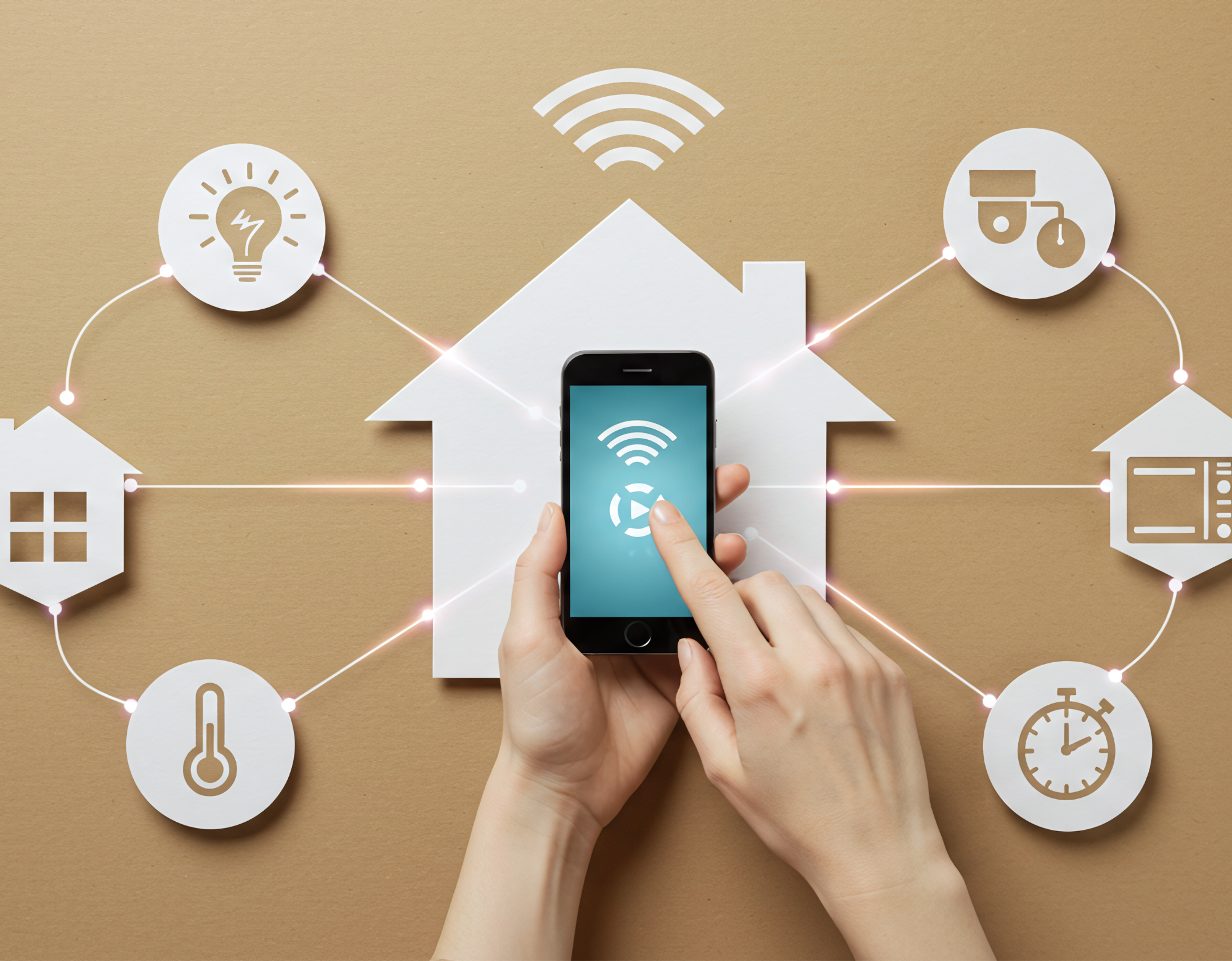
Smart homes are no longer about individual devices—they’re about ecosystems. At the center of every smart home experience is an application that connects devices, automates routines, and makes daily life simpler.
Building a smart home application involves much more than mobile development. Device connectivity, cloud infrastructure, APIs, security, AI, and real-time data can all influence the complexity—and ultimately the cost—of development.
Before you start, explore our complete guide to mobile app development costs in 2026.
→ How Much Does It Cost to Build a Mobile App in 2026?
Here are the top 5 smart home applications leading the market today, how they differ from each other, and the technologies quietly powering them behind the scenes.
1. Google Home — The Most Flexible Smart Home Platform
What makes it stand out:
Google Home is known for its wide device compatibility and strong voice intelligence. It works seamlessly with thousands of third-party devices, making it a popular choice for mixed-brand smart homes.
Best for:
Users who want flexibility, automation, and strong voice control across multiple brands.
Technology behind it:
-
AI-powered voice recognition
-
Cloud-based automation
-
Machine learning that adapts to user behavior
Why it matters:
Google Home feels less like an app and more like a smart assistant that continuously learns how you live.

2. Apple Home (HomeKit) — Privacy-First and Seamless
What makes it stand out:
Apple Home focuses on security, privacy, and ecosystem control. It’s deeply integrated with iPhones, iPads, Apple Watch, and Siri.
Best for:
Apple users who value privacy, simplicity, and a polished experience.
Technology behind it:
-
On-device processing for enhanced privacy
-
Encrypted communication between devices
-
Secure authentication via Apple ID
Why it matters:
Apple Home proves that smart homes don’t have to compromise privacy to be intelligent.

3. Tuya Smart — Powering Millions of Smart Devices Worldwide
Tuya Smart is one of the most widely used smart home platforms globally, even though many users don’t realize it’s running behind their devices. Unlike voice-centric platforms, Tuya focuses on device control, automation, and white-label smart home ecosystems.
What makes it stand out:
Tuya is the backbone behind thousands of smart home brands. It enables manufacturers and businesses to launch smart home apps quickly without building everything from scratch.
Best for:
Users and companies looking for broad device compatibility, automation, and scalable smart home solutions.
Technology behind it:
-
Cloud-based IoT platform
-
Device lifecycle and firmware management
-
App SDKs and APIs for customization
-
Cross-platform automation and analytics
Why it matters:
Tuya turns smart homes into platform businesses, not just consumer apps — making it one of the most influential players in the smart home market.
4. Samsung SmartThings — Built for Complete Home Control
What makes it stand out:
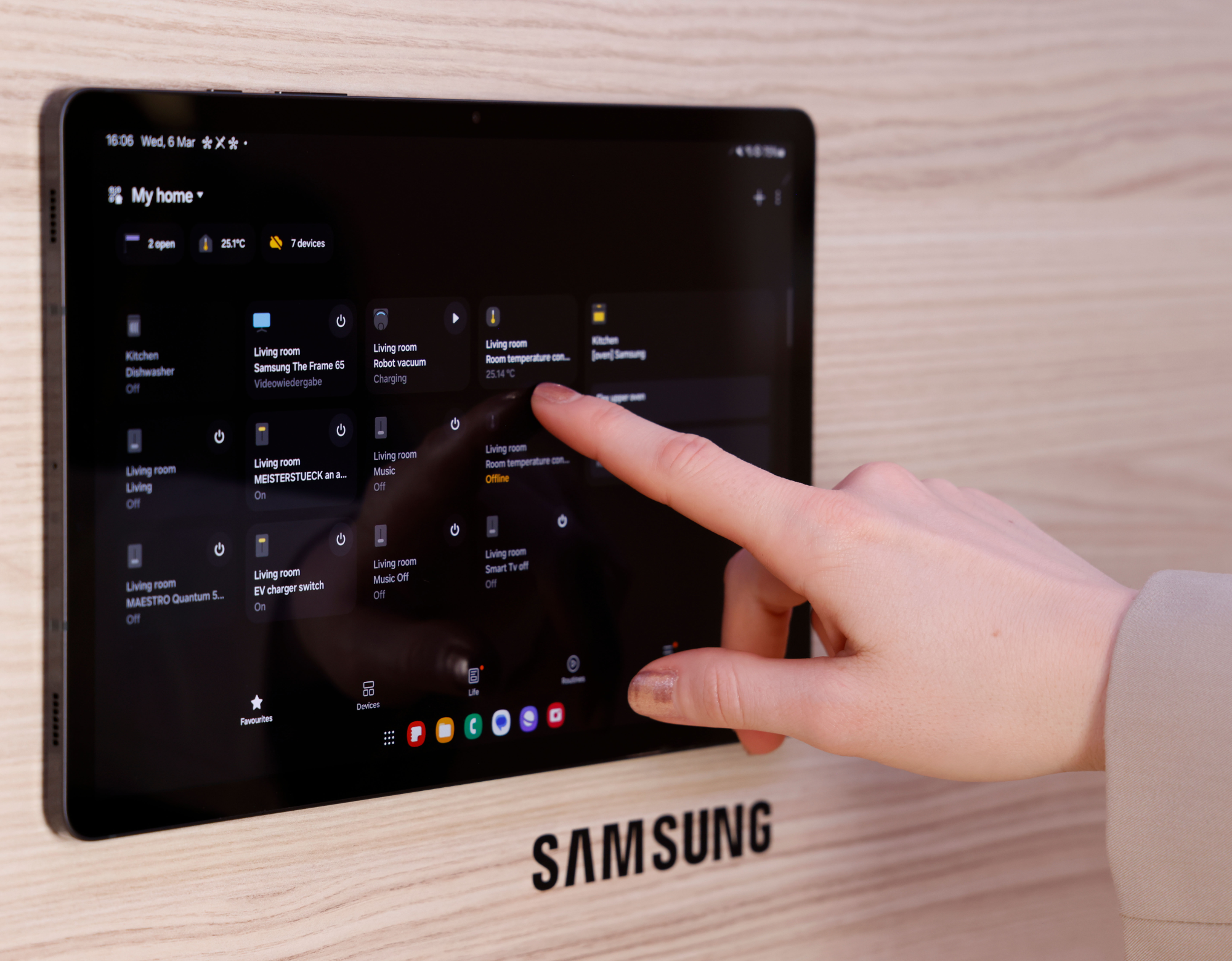
SmartThings excels in hardware + software integration, especially with Samsung devices and appliances.
Best for:
Users who want deep automation across appliances, TVs, sensors, and energy systems.
Technology behind it:
-
IoT connectivity across devices
-
Automation rules and smart routines
-
Integration with energy and home monitoring systems
Why it matters:
SmartThings positions the smart home as a connected system, not just individual gadgets.
5. Home Assistant — The Power User’s Choice
What makes it stand out:
Home Assistant is open-source and runs locally, giving users full control and customization without relying heavily on the cloud.
Best for:
Tech-savvy users who want maximum control and customization.
Technology behind it:
-
Local automation and processing
-
Open-source integrations
-
Minimal cloud dependency
Why it matters:
Home Assistant represents the future of decentralized, user-controlled smart homes.

Behind Every Smart Home App Is a Smart Software Team
What makes smart home applications feel effortless is the collaboration of multiple specialized roles working together behind the scenes. A modern smart home app is not built by one team or one skill set—it’s powered by a coordinated software ecosystem.
Key roles typically involved include:
-
Business Analysts:
Translate user needs and business goals into clear functional requirements, ensuring the smart home platform delivers real value—not just features. -
Hardware Design Engineers:
Design and refine the physical components that interact with software platforms, ensuring performance, reliability, and seamless device integration. -
Mobile Developers (iOS / Android):
Build intuitive, responsive apps that allow users to control devices, automate routines, and receive real-time notifications. -
Backend Engineers:
Design and maintain the systems that manage device communication, automation logic, user data, and real-time processing at scale. -
IoT Engineers (Embedded Systems Engineer):
Ensure reliable connectivity between devices, gateways, and platforms using smart home protocols and standards. -
Cloud & DevOps Engineers:
Keep smart home platforms scalable, secure, and always available through cloud infrastructure, monitoring, and continuous deployment. -
AI & Data Engineers:
Enable learning systems that analyze usage patterns, optimize automation, and personalize the smart home experience over time. -
Application Security Engineer:
Protect device access, user data, and communication channels in an environment where privacy and trust are critical. -
QA & Automation Specialists:
Continuously test performance, integrations, and updates across a wide range of devices and scenarios.
Together, these roles transform smart home applications from simple control interfaces into robust, intelligent platforms that evolve with user needs and technology standards.
How Industry Leaders Scale the Right Software Teams for Smart Home Innovation
Smart home applications are evolving into intelligent digital representations of connected living environments. Every device, interaction, and automation routine generates continuous streams of data that can be monitored, analyzed, and optimized in real time. When powered by IoT connectivity and modern software platforms, this data enables smarter automation, predictive behaviors, and highly personalized experiences.
As industry leaders scale smart home platforms across devices, markets, and use cases, the challenge extends beyond innovation itself. The real complexity lies in integrating hardware, connectivity standards, cloud infrastructure, and data intelligence into a reliable and secure ecosystem. This is why successful smart home initiatives increasingly depend on the ability to scale the right software teams—teams capable of supporting long-term growth, continuous improvement, and evolving user expectations.